How We Assess and Catch Students Up
At Nerd Academy, we use Renaissance STAR to screen and monitor student learning in reading and math. STAR gives us immediate results that help us understand where a student is performing and what skills they are ready to work on next. We use that information to guide targeted instruction and structured practice, including literacy and numeracy foundations that support long-term academic growth.
- We assess students using Renaissance STAR (not the Texas STAAR test)
- STAR helps identify whether a student is performing at benchmark and where support may be needed
- STAR is aligned to state standards and provides skill and standards-based reporting that supports instructional planning
- We build an action plan using targeted instruction and structured practice
- We reinforce learning with tools like Lalilo, Freckle, and Secret Stories
- We reassess regularly with STAR to monitor progress and adjust quickly
- Goal: mastery of foundational skills, so students can confidently succeed in more advanced learning later
How We Assess(and what STAR tells us)
We assess students at the beginning of the year using Renaissance STAR, a computer-adaptive assessment commonly used for screening and progress monitoring. STAR provides results quickly, which helps us respond to student needs without long delays.
STAR helps us understand:
- whether a student is performing at benchmark for their grade
- where a student is currently performing if they need support
- which skill areas may need additional instruction
- standards-based information aligned to state standards, which helps guide what to teach next
This matters because catching students up starts with clarity. We use STAR data to guide instruction and make sure support is focused on the skills that will move the student forward.
When students fall behind, it is often because foundational skills were missed or never fully mastered. When those foundations are weak, learning becomes harder each year, especially as reading and math demands increase.
That is why we focus heavily on literacy and numeracy. These are the skills that support everything else students do in school, including writing, comprehension, problem solving, and higher-level learning.
Literacy, the Science of Reading, and Secret Stories
Many students who struggle with reading need stronger foundational skills, especially in how words work. Strong reading instruction is supported by decades of research, and the Science of Reading is commonly summarized through five core components:
- Phonemic Awareness: hearing and working with the individual sounds in spoken words
- Phonics (including decoding): understanding sound-letter patterns and using them to read words accurately
- Fluency: reading accurately and smoothly so the brain has more capacity for meaning
- Vocabulary: understanding word meanings
- Comprehension: understanding what is being read
Reading becomes much harder when students are using most of their effort just to figure out the words. As word-reading becomes more accurate and automatic, comprehension becomes easier and more natural.
Numeracy and How We Build Real Math Understanding
Numeracy develops in a similar way to literacy. Students do better in math when they understand how numbers work, not when they only memorize steps.
STAR helps us identify which math skill areas a student needs support in, and then we focus on building number sense and place value understanding, so math is logical and connected.
For example, a student needs to understand that:
- 14 is made of 10 and 4
- there are multiple ways to make 10 and 4
- there are multiple ways to represent and break apart 14
When students do not understand how numbers are composed and decomposed, regrouping (borrowing and carrying), division with remainders, and fractions can feel like random procedures. When number sense is strong, those topics become easier to understand and apply.
How Freckle supports numeracy
Freckle provides differentiated practice in math and reading. It helps students practice skills at their current level and gives teachers reporting that supports targeted instruction. Freckle can also be used alongside STAR data to reinforce specific skill gaps.
How We Monitor Progress
(and why that matters)
We do not just teach and hope it sticks, we measure growth and adjust instruction.
Because STAR produces results quickly, we can:
- monitor student progress over time
- verify whether students are improving in key skill areas
- identify when a student needs more support
- adjust instruction without waiting weeks or months for results
We reassess throughout the year to confirm growth and keep instruction aligned to what students need most.
The Goal of This Approach
The goal is not just to help students “get by.” The goal is mastery of foundational skills.
When students build strong literacy and numeracy foundations:
- school becomes less frustrating
- confidence increases
- learning becomes faster and more sustainable
- students are better prepared for higher-grade academics and advanced learning
This foundation supports stronger writing, deeper comprehension, better problem solving, and readiness for more advanced topics later.
Real parents.
Real results.
Ready to Take the Next Step?
If your child is behind or struggling, a tour is a great place to start. We will walk you through how we assess, what we look for, and how we build a plan to help students strengthen skills and make steady progress.Recent Articles
The Radius of Self: Understanding the K–3 Interrupter
Latest
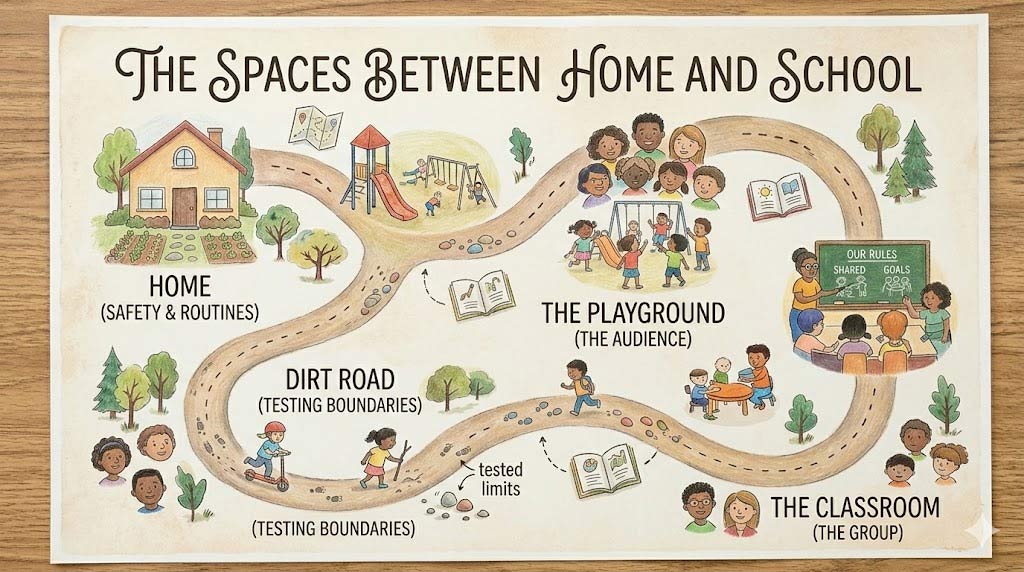
But My Child Doesn’t Act Like This at Home
Why Nerd Academy Is Screen-Free in K–3
Nerd Academy Announces Decision Regarding ESA Participation for 2026–2027
AI Isn’t Coming – It’s Already Here: Why Your Child Needs AI Literacy Today